
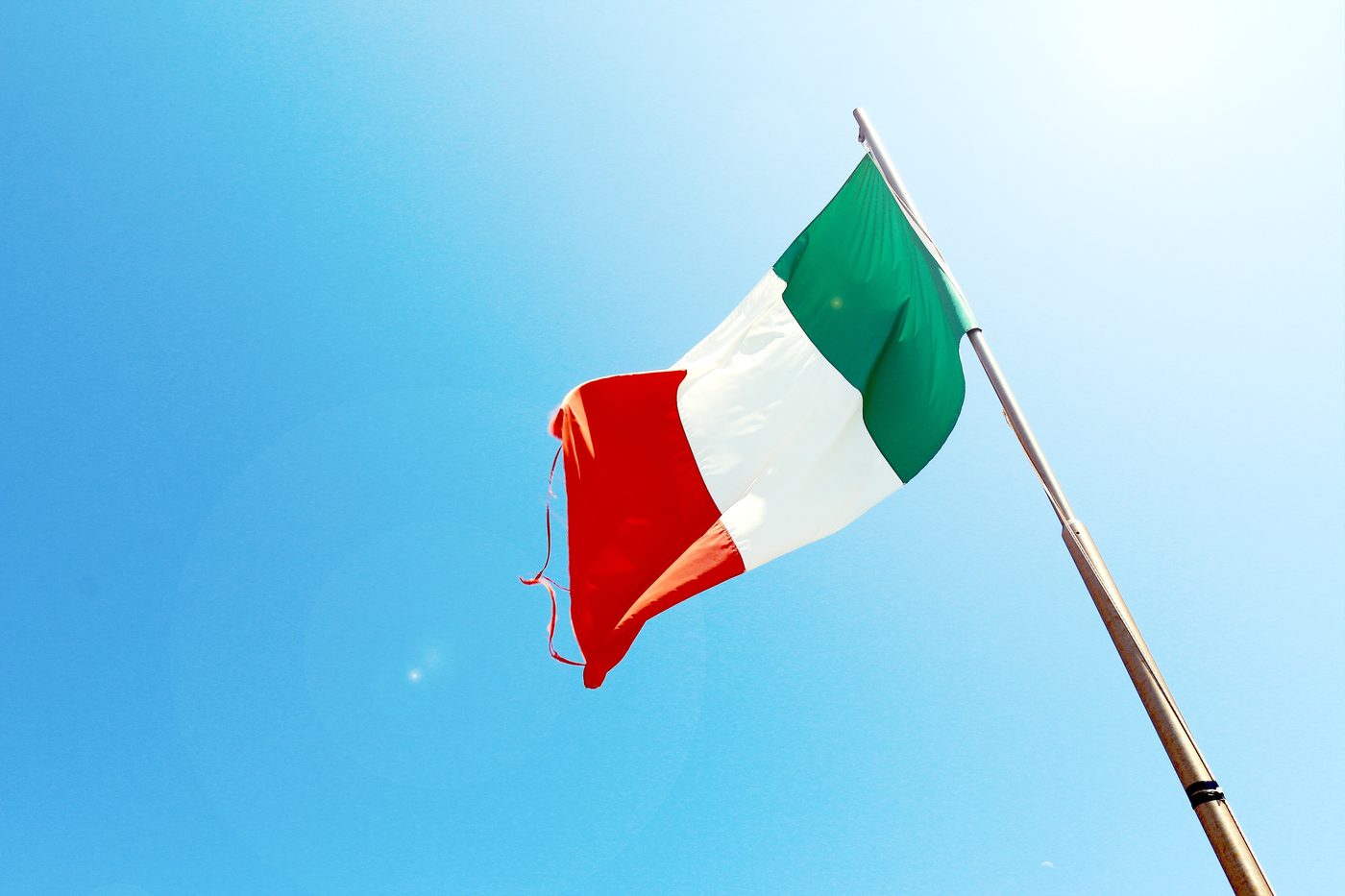
“Made in Italy”: words that are a source of pride for any Italian manufacturer. They carry an old prestige, built on creativity that pairs quality with inventiveness.
Two words that set us apart everywhere in the world.
The Italian-ness of a brand, whether attached to a fashion product, a piece of technology, or a piece of furniture, drives instant recognition and elevates the product both in quality and in overall image.
Made in Italy isn't just a mark of origin. It's a way of creating, of telling the story of old crafts, of passing on passion. Being part of it means giving weight to materials, craftsmanship, tradition, and attention to detail, because Made in Italy promotes not just the product but, above all, the talent behind it: these are the real drivers of its success.
In modern society, the appeal of artisan mastery keeps growing, especially in fashion. Italians abroad are instantly recognizable by how they dress, by a taste that's simple but never boring, and they're known, too, for an innate sense of aesthetics. “Made in Italy” itself is an extremely strong brand, especially in the collective imagination of foreigners, since it evokes a specific lifestyle, a distinctive quality in products and experiences, and a certain kind of suggestion and authenticity.
The main goal is understanding which elements best define the “Italian way of doing things,” in order to understand what draws foreigners to our country, and to monetize it. The economic potential of the so-called “emotion economy” is genuinely huge: it's estimated that over the next five or six years, the number of people interested in buying high-quality goods and services will grow from 400 to 480 million, representing 290 billion euros in spending. Made in Italy currently captures around 10% of that market, and the emotional component is set to grow by roughly 15 percentage points. Working on that dimension could bring around 90 million new potential customers a year into Italy, worth 4 to 5 billion euros in additional revenue.
To convey the emotional value of what Italy has to offer, you first need to understand how it fits into the imagination of foreigners, and which foreigners, and what expectations come attached to it. Research shows that North Americans feel the strongest connection when thinking about and experiencing Italy, followed by Germans and Japanese, both great lovers of beauty.
So what does the emotional idea of Italian-ness rest on? Three things in particular, according to Censis: “lifestyle,” a positive model for many foreigners; the typically Italian “emotions” every visitor longs for even before arriving; and the actual “Italian product,” the concrete realization of the Made in Italy idea and dream.
To foreigners, Italian lifestyle means refinement: attention to detail and originality, the ability to recognize beauty and to create it, a joy for life, and a rejection of the frantic pace of modern living in favor of something slower and more natural, which may also explain the stereotype of the laid-back Italian. An Italian experience, on the other hand, is expected to be primarily sensory, tied to taste, touch, smell, and sound, but also cultural and educational. Foreigners' imagination also includes a participatory element: the desire to connect with Italians, to feel part of the place. When it comes to Italian products specifically, the top expectation is quality, understood as work done well, followed closely by beauty, though in recent years beauty has lost some ground to quality. Finally, the Italian product is imagined as authentic, genuine, and essential.
These, then, are the aspects of what Italy has to offer that need to be communicated and championed. Abroad, people actually have a more credible image of Italy than Italians themselves do: communicating Made in Italy also requires a return of pride, without which it's hard to deliver authentic emotion.
Even Amazon has spotted a business opportunity in Italian-made products, going as far as opening a section entirely dedicated to high-quality goods made in Italy.
Are we really going to let this opportunity slip by too?